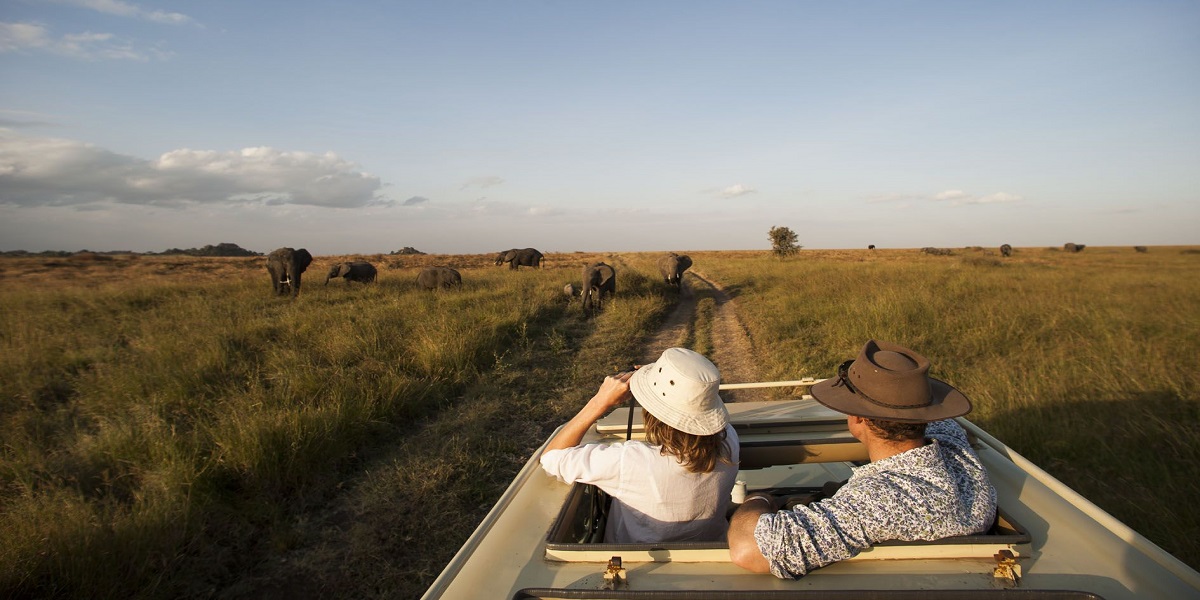
Responsible Safaris in Tanzania: Travel with Purpose and Impact
Why Responsible Safaris Matter
Preserve Wildlife & Nature: Eco-conscious safaris help minimize habitat degradation and wildlife disturbance, safeguarding Tanzania’s natural heritage.
Empower Local Communities: Well-designed tourism ensures local tribes, artisans, and guides benefit directly—fueling sustainable development and preserving cultural heritage.
Stay in Eco-Lodges: Opt for accommodations using solar power, waste management systems, and locally sourced materials.
Community Support & Fair Wages: Choose operators that give back—hiring locals, supporting projects like schools or clinics, and fostering cultural exchange.
Reduce Waste: Bring reusable water bottles, limit single-use plastics, and practice energy conservation.
Offset Carbon Emissions: Participate in carbon offset programs, choose low-impact transports like walking safaris or electric vehicles.
How Travelers Can Be Responsible Too
Choose Operators with Eco Credentials: Look for certifications (e.g., eco-lodges, B Corp), and affiliations with conservation organizations.
Respect Local Culture: Learn Swahili greetings, ask permission before taking photos, and engage respectfully with communities.
Choose Off-Peak or Less Crowded Destinations: Maasai Mara alternatives like Selous or Ruaha keep wild experiences quieter and better for wildlife.
Stay Mindful of Your Impact: Avoid behaviors that disrupt wildlife, like obstructive viewing or over-photographing.